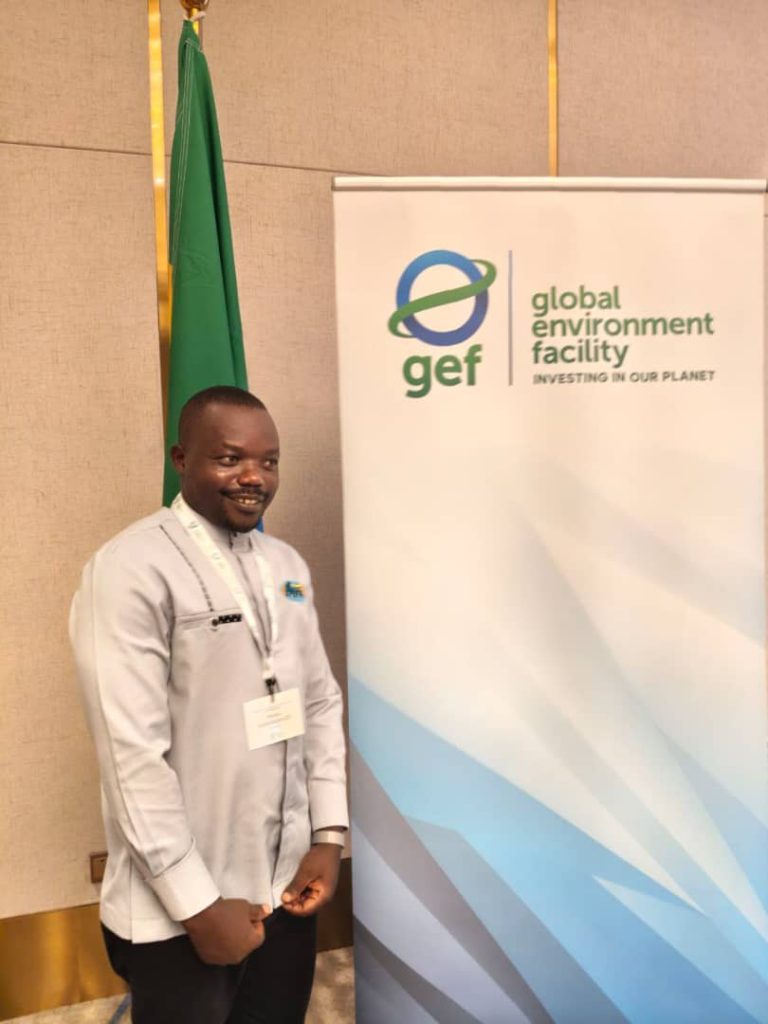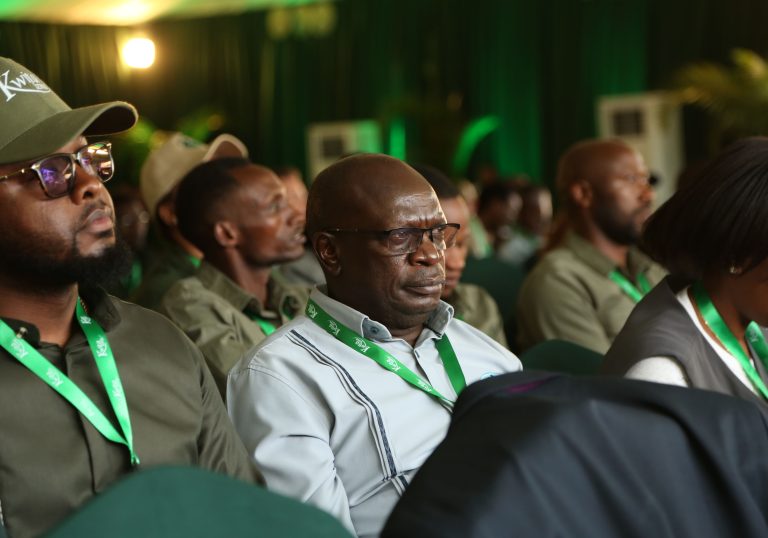
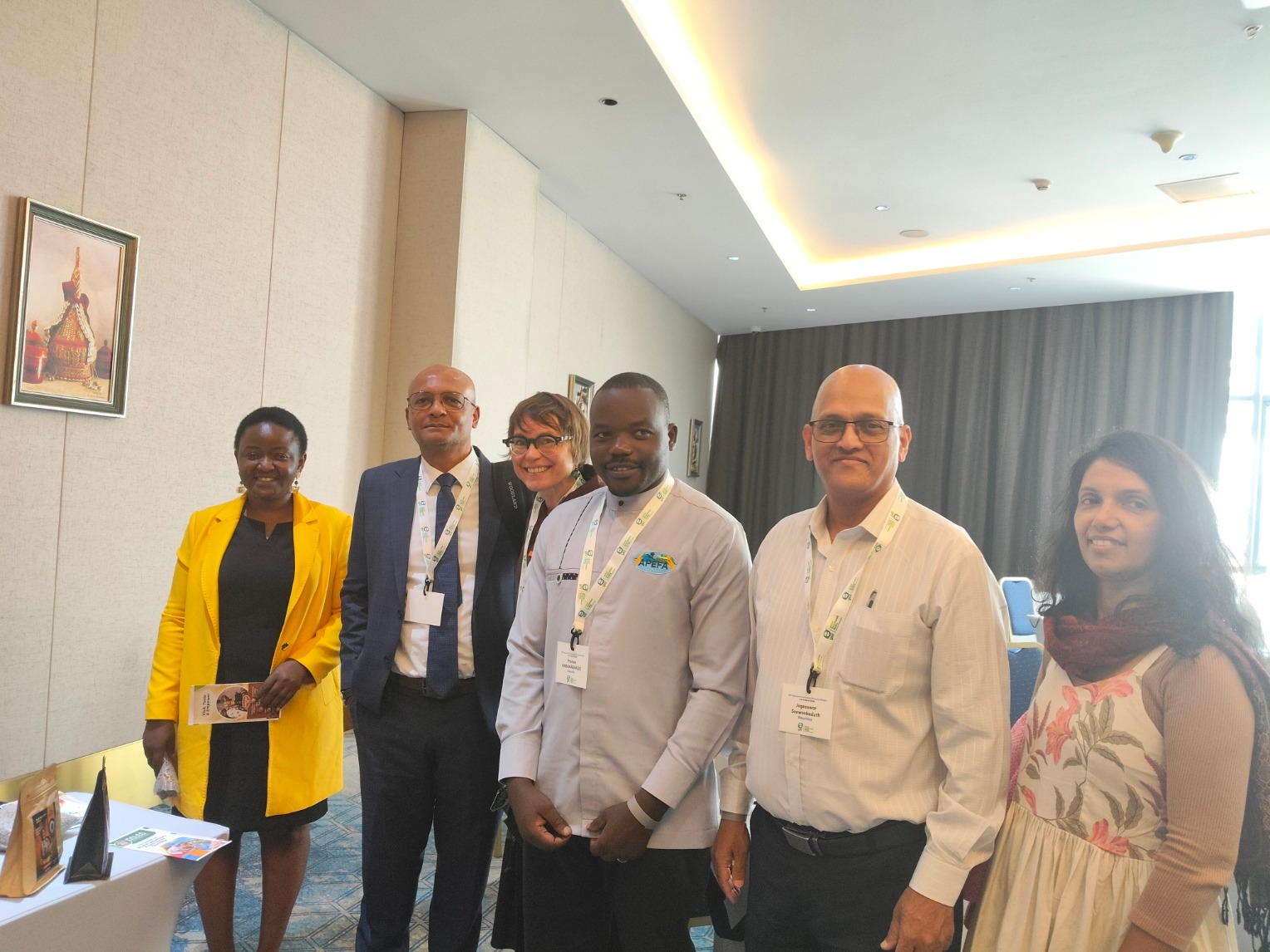
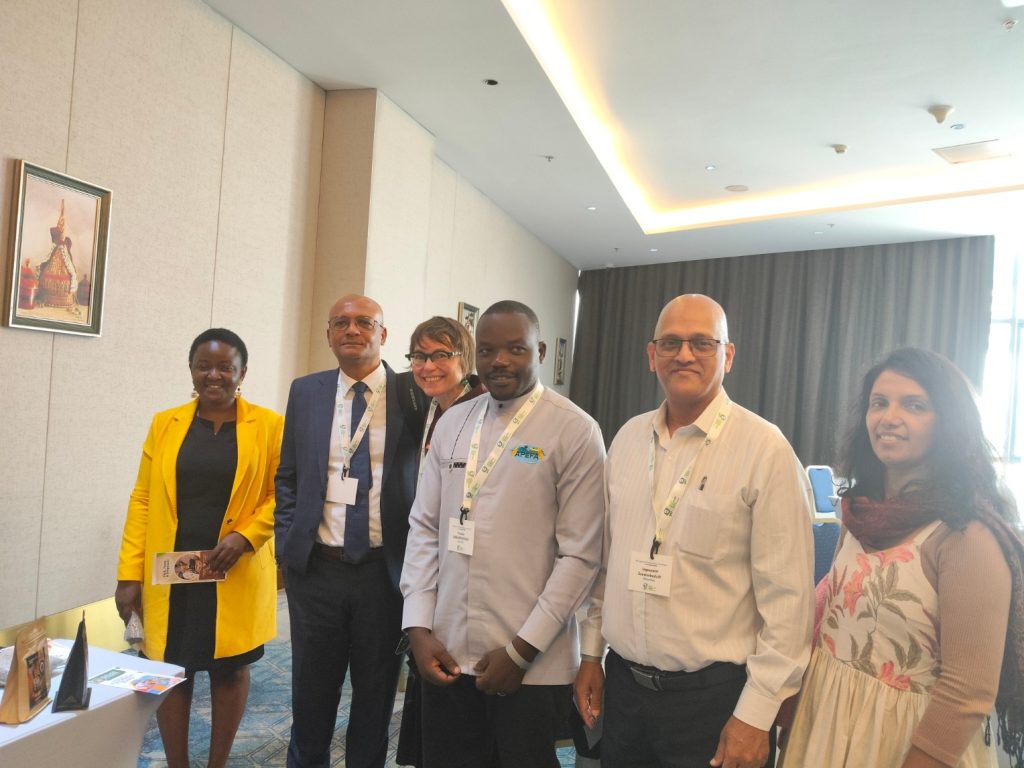
APEFA is pleased to participate in the Eastern Africa Extended Constituency Workshop taking place in Addis Ababa, Ethiopia, convened by the Global Environment Facility, in the context of the 9th Replenishment of the Global Environment Facility (GEF-9). The four-day regional workshop, held from March 2–5, 2026, brings together representatives from Eastern African countries to discuss key priorities including GEF programming, climate finance, biodiversity conservation, and environmental cooperation across the region.
]This technical groundwork provides a clear roadmap for the marshland restoration phase. APEFA’s Director of Programs, Protais HABANABAKIZE, is actively engaging with regional stakeholders to advance climate resilience, biodiversity protection, and nature-positive investments across Eastern Africa.
With 194 active projects, USD 1.1 billion invested, and USD 6.3 billion mobilized in co-financing across 14 Eastern African countries, the GEF’s footprint in the region continues to deliver transformative environmental and development impact. As the region moves toward the 9th Replenishment of the Global Environment Facility, stakeholders emphasize the importance of stronger country ownership, enhanced CSO engagement, and climate-smart infrastructure investments to maximize long-term impact.
In the context of accelerating infrastructure development across Africa, this moment is critical to ensure that investments do not lock the region into high-emission and biodiversity-degrading pathways. APEFA therefore calls for bold, inclusive, and nature-positive financing under the 9th Replenishment of the Global Environment Facility to secure sustainable benefits for both people and the planet.
Knowledge and Innovation for Sustainable Value Chains
APEFA also actively engaged in the FOLUR Global Knowledge Platform, focusing on scaling sustainable commodity production systems. In Ethiopia, this includes efforts to transform the coffee value chain into a deforestation-free model, while supporting the livelihoods of more than 440,000 people. Knowledge sharing and innovation remain key drivers of landscape restoration and sustainable development.
Field Learning: Climate Resilience in Action
During Day 3 of implementation site visits, participants witnessed the tangible impact of the Eastern Africa Climate initiative. In the Somali Region, farmers such as Abdirashid shared inspiring success stories, including a cooperative harvest of 350 quintals of onions, generating 1.5 million birr in income after years of recurring drought.
These results demonstrate what real climate resilience looks like in practice.
Gender equality and inclusive development
A powerful learning session highlighted the Gender Action Learning System (GALS) approach, showcasing how inclusive methodologies are transforming rural livelihoods. With 381 Farmer Field School (FFS) groups, ensuring at least 50% women participation, women are increasingly taking active roles in household decision-making and agricultural trade.
This approach is proving that empowering women is a key driver of community wealth creation and sustainable development. APEFA reaffirms its commitment to advancing inclusive climate action, sustainable agriculture, and nature-positive development as Eastern Africa moves toward the 9th Replenishment of the Global Environment Facility.