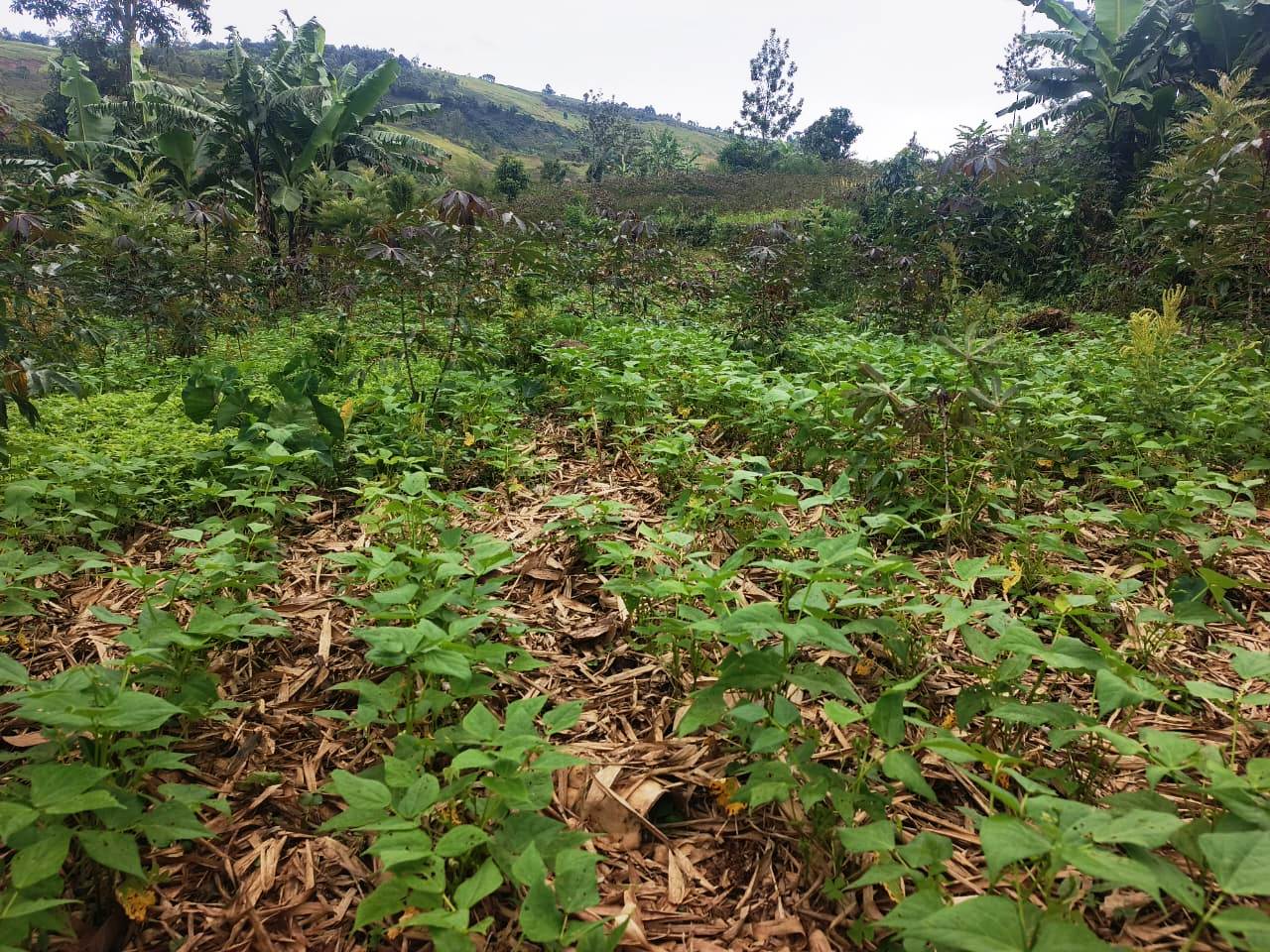
Action pour la Protection de l’Environnement et la Promotion des Filières Agricoles (APEFA), with support from the World Resources Institute (WRI), continues to promote climate-resilient agriculture in Rwanda through its project titled “Strengthening Extension Capacity through Farmer Field Schools (FFS) on Maize and Bean Production Integrated with Restoration Initiatives in Rusizi District.”
This initiative is empowering smallholder farmers with hands-on skills and practical knowledge to adopt sustainable farming practices by integrating food production into restoration efforts. By improving soil health, enhancing productivity, and strengthening livelihoods, the project is equipping communities with the tools they need to adapt and thrive in the face of climate change.
BUILDING STRONG FARMER GROUPS FOR LASTING IMPACT
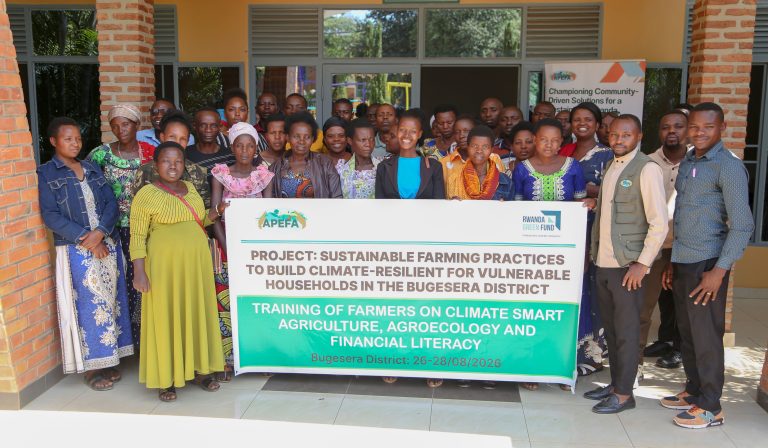
A major milestone of the project has been the successful establishment of Farmer Field Schools (FFS), which bring together smallholder farmers into structured, self-managed groups. Each group comprises 10 neighboring farmers selected based on clear criteria, including land availability (minimum of 0.25 hectares), geographical proximity, and willingness to adopt and replicate agroecological practices.
The project prioritizes inclusivity, ensuring that at least 50% of participants are women, thereby promoting gender equality and equitable access to opportunities.
ENHANCING KNOWLEDGE THROUGH HANDS-ON LEARNING
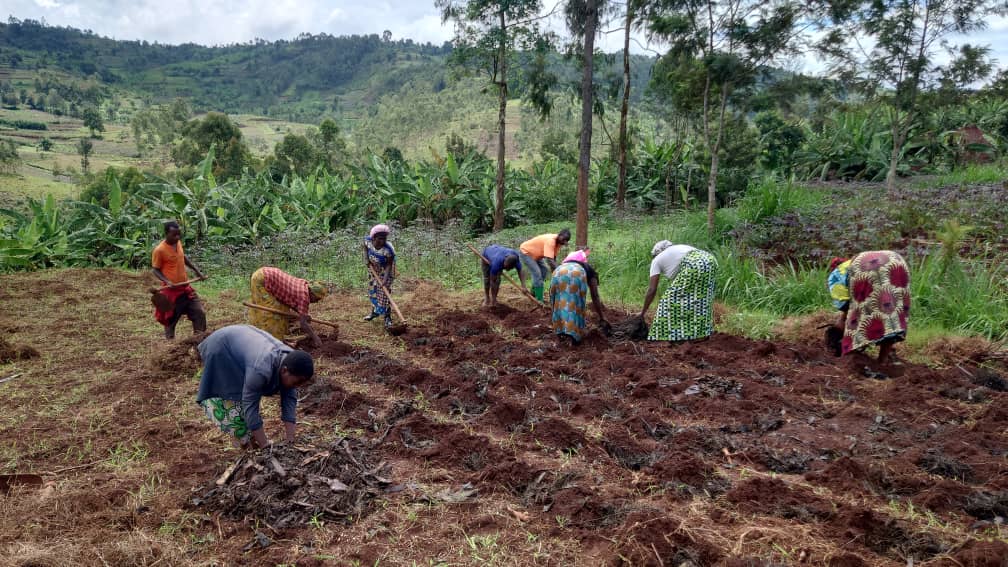
The Farmer Field School approach emphasizes experiential, field-based learning. Farmers are actively engaged in comparing traditional farming methods with improved agroecological practices, enabling them to make informed decisions based on observed and tangible results.
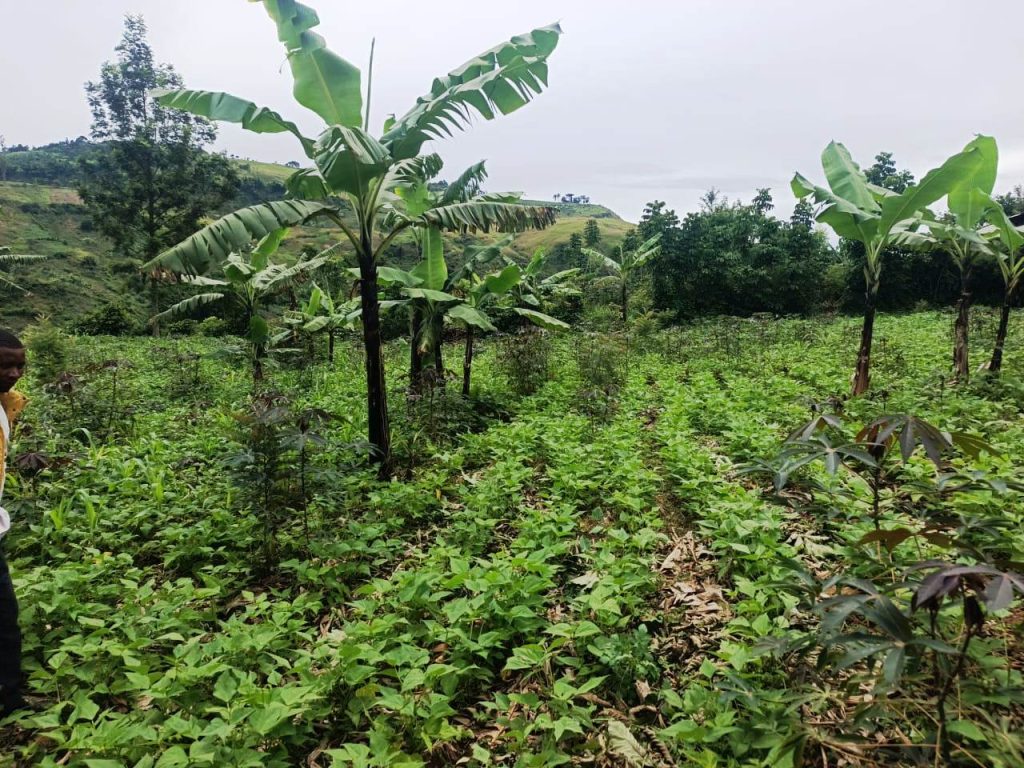
During the bean planting season, key practices introduced include:
- Minimum tillage to preserve soil structure and fertility
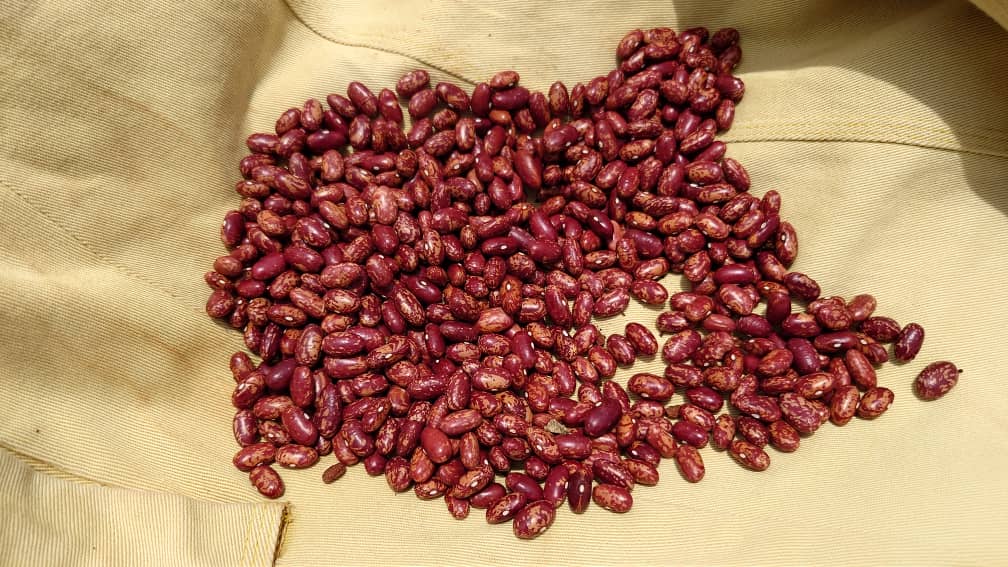
- Use of improved bean seed variety
- Mulching to conserve soil moisture
- Maintenance of trenches for water retention
Towards resilient and sustainable farming systems
This initiative highlights the transformative potential of agro ecology and the Farmer Field School model in building resilient and sustainable farming systems. By promoting environmentally friendly practices, strengthening farmer organizations, and enhancing knowledge sharing, APEFA is contributing to:
- Improved climate resilience
- Restoration of soil health
- Enhanced food security
- Increased household incomes and livelihoods
APEFA remains committed to scaling up agroecological approaches across Rwanda, ensuring that smallholder farmers are better equipped to adapt to climate challenges while improving agricultural productivity and sustainability. The food integration(bean planting) into restoration initiative in Gashonga Sector represents a significant step toward achieving inclusive and climate-smart agricultural development.
MORE PHOTOS